Best Ultralight Gear Tested Outdoors
Trail days feel different when your pack stops dragging at your shoulders and starts moving with you. The miles still matter, the weather still shifts, and the terrain still asks for attention. But the whole experience becomes calmer, lighter, and a lot more intentional.
That is exactly why ultralight hiking equipment has become such a smart choice for hikers who want speed without chaos and comfort without excess. REI notes that ultralight backpacking is more a mindset than a fixed pack weight, and many hikers land in a trail-weight sweet spot of roughly 12 to 25 pounds.
Choosing the Right Ultralight Gear
The first step is not buying more gear. This is where lightweight outdoor gear reviews become useful, because they help you compare real performance instead of chasing shiny features that never matter on the trail.
Understanding pack weight
Pack weight shapes everything, your pace, your balance, your comfort, and even how much you enjoy the trip. REI explains that a loaded backpacking pack should generally stay under about 20 percent of your body weight, which gives you a practical starting point before you begin trimming ounces.
The smartest hikers think in systems. If one item is lighter but makes the rest of the setup awkward, the savings may not be worth it. A strong ultralight kit works because each piece supports the next one, not because every item is the absolute minimum possible.
Essential lightweight equipment
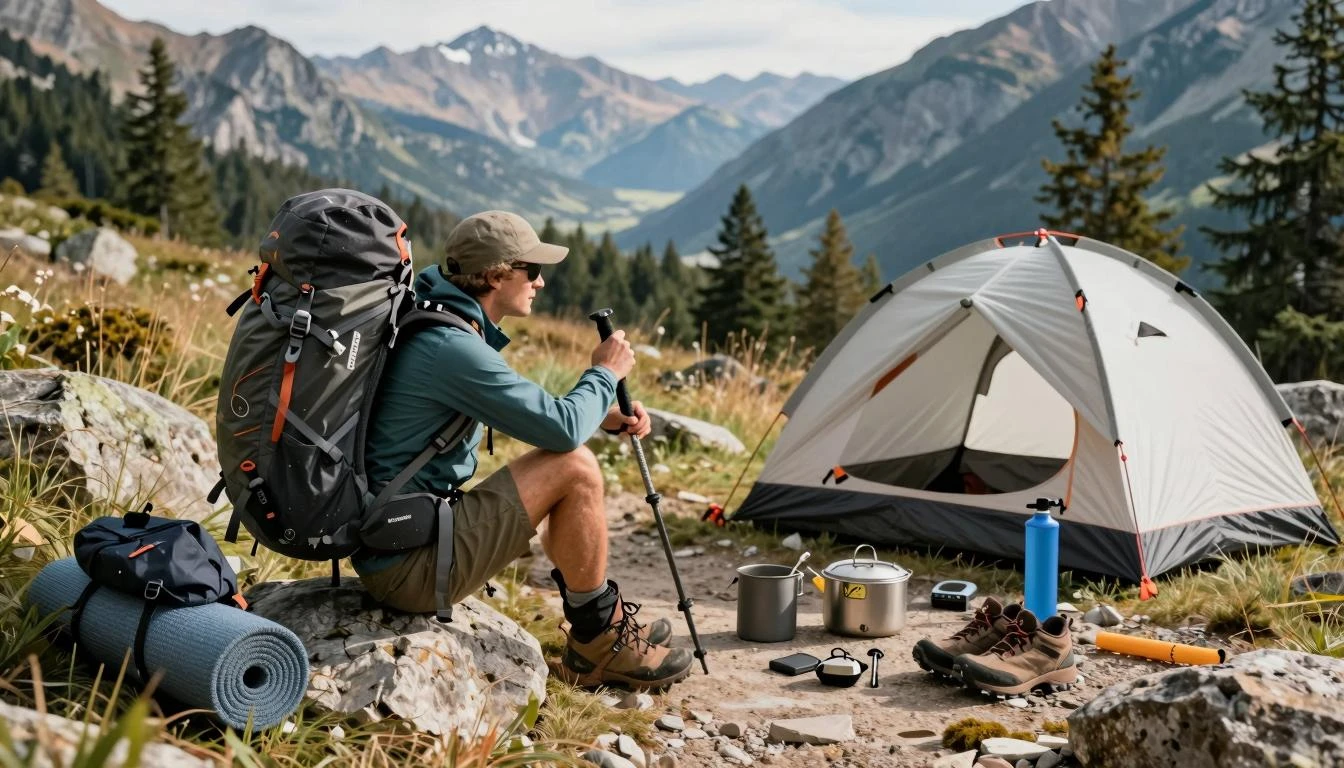
Start with the core pieces that do the most work, pack, shelter, sleep system, and cooking setup. Don Ladigin, author of Lighten Up!, puts it simply, “Take enough gear to be safe, comfortable, and confident.” That one sentence captures the real goal of ultralight hiking equipment far better than any marketing slogan ever could.
Balancing comfort and durability
Light gear should not feel delicate. The best setup protects you from the common problems of the trail while still shaving weight where it counts. That balance is what separates a smart kit from a fragile one.
Think about how each item will be used, not just how much it weighs. A sleeping system that is light but leaves you cold is not efficient. The right choice is the one that lets you keep moving and sleeping well without carrying extra bulk you never needed.
Field Tested Outdoor Essentials
This is the part where theory meets the trail. The best lightweight outdoor gear reviews should always answer one question, does the item make the trip easier in real conditions, not just in a product photo?
Backpack performance review
A good ultralight backpack should ride close, stay stable, and make access simple. REI’s ultralight guidance emphasizes reducing the weight of the biggest items first, which means the backpack needs to match the rest of the system instead of fighting it.
Emily Pennington, a REI contributor, writes that “Ultralight backpacking done well can be safe and comfortable.” That matters because the goal is not to suffer with less. It is to carry less while still moving confidently through the day.
Shelter and sleeping system
Shelter and sleep gear usually offer the biggest opportunity for weight savings. REI highlights the “big three” approach, backpack, shelter, and sleep system, as the main place to cut load early and meaningfully.
A lightweight sleep system should still deliver warmth, dryness, and enough comfort to recover properly. The right trade-off depends on your climate, your route, and how much rest your body needs after a long day.
Cooking gear comparison
A lighter stove, one efficient pot, and a pared-back utensil set can trim unnecessary weight without making camp meals miserable. That is why a compact cooking kit for backpacking belongs in any serious gear plan. It keeps your setup tidy, your routine predictable, and your energy focused on the trail instead of the mess.
Tips for Smarter Outdoor Packing
Packing well is not about stuffing less into a bag. It is about making stronger decisions before the bag is even closed. That is where the best lightweight outdoor gear reviews become practical, because they help you see which items truly earn their place.
Reducing unnecessary weight
The National Park Service reminds hikers that the Ten Essentials are there to help prepare for minor injuries, sudden weather changes, or unexpected delays, which means safety should stay in the system even as weight goes down. A smart how to pack ultralight for overnight hikes approach is simple, keep only what matches the trip, the season, and your own experience.
Organizing gear efficiently
Once the load is trimmed, organization becomes the next advantage. Sleep gear should stay protected. Small essentials should live in the same place every time so you never have to dig for them in bad weather.
REI’s packing advice emphasizes arranging gear with intent, especially when it comes to bulky sleep items and access to frequently used layers. That same logic supports a better minimalist camping checklist because the gear becomes easier to find, easier to use, and easier to trust.
Common packing mistakes
The most common mistake is confusing light with prepared. Another is buying new gear before understanding what problem it solves. A third is carrying too many backup items that duplicate each other’s job. The better habit is to pack for the route in front of you, not the worst-case fantasy in your head. When your system is lean, your judgment becomes clearer.
Start Your Ultralight Adventure Today
If you have ever felt overloaded before the trail even begins, the fix is usually not more effort. It is better choices. Start with the biggest items, keep the system simple, and let your pack become a tool instead of a burden.
They are the ones that make room for better movement, better rest, and better decisions. That is why lightweight outdoor gear reviews matter so much, they help you choose gear that feels steady, practical, and worth carrying from the first mile to the last.