Outdoor Skills Everyone Should Learn
Outdoor adventures are no longer just about reaching the destination, they're about knowing how to enjoy the journey safely and confidently. Whether you're planning your first hiking trip, camping with friends, or exploring remote landscapes, having the right knowledge can make every experience more rewarding. The difference between an unforgettable adventure and a stressful one often comes down to the skills you bring with you, not the gear you carry.
As more people seek authentic experiences in nature, learning essential outdoor techniques has become more valuable than ever. These practical abilities help you adapt to changing weather, navigate unfamiliar terrain, build confidence, and make smarter decisions outdoors. The good news is that you don't need to be an expert to start, you simply need the willingness to learn, practice, and explore with the right mindset.
Fundamental Outdoor Skills
Every great outdoor adventure begins long before you step onto the trail. Building a strong foundation allows you to enjoy nature with greater confidence while reducing unnecessary risks. If you're looking for outdoor skills for beginners, this is the perfect place to start because these core abilities apply to almost every outdoor activity, from day hikes to multi-day camping trips.
The most experienced adventurers often agree on one thing, preparation matters more than experience alone. As wilderness educator Mors Kochanski famously said, "The more you know, the less you carry." His philosophy reminds us that knowledge often becomes the most valuable piece of equipment you can bring into the outdoors.
Planning Outdoor Trips
A successful outdoor trip starts with careful planning. Research your destination, understand trail conditions, review park regulations, and monitor weather forecasts before leaving home. Sharing your itinerary with a trusted friend or family member is another simple habit that significantly improves safety. Preparing a checklist is equally important.
Reading Maps and Navigation
Although GPS applications are incredibly useful, they should never replace traditional navigation skills. Batteries run out, devices break, and remote locations often have limited signal coverage.
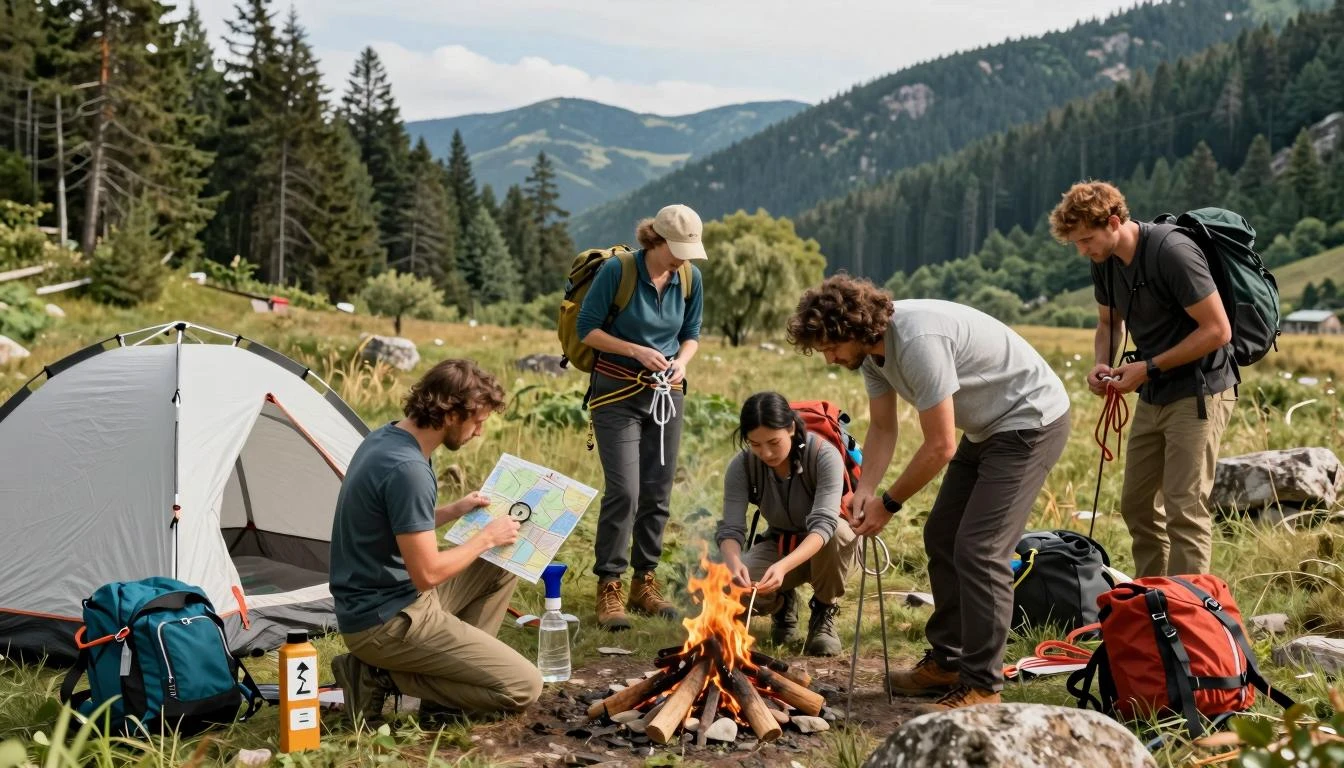
Learning topographic map reading, compass navigation, trail markers, and route planning enables you to understand your surroundings even when technology fails. Combining digital navigation with traditional methods creates a safer and more reliable outdoor experience.
Weather Awareness
Weather conditions in mountains, forests, and coastal areas can change much faster than many beginners expect. Watching cloud movement, wind direction, temperature shifts, and local forecasts allows you to make better decisions before conditions become dangerous.
Understanding weather forecasting for hiking, storm preparedness, temperature changes, and environmental awareness helps prevent exposure, dehydration, and unnecessary emergencies.
Camping and Bushcraft Essentials
Once you've mastered the fundamentals, the next step is learning practical camping skills that make every overnight adventure safer and more comfortable. Bushcraft is not about surviving extreme situations, it is about working with nature in a responsible and efficient way.
Many seasoned outdoor instructors emphasize that confidence at camp comes from practicing simple routines repeatedly rather than relying on expensive equipment.
Shelter Setup Techniques
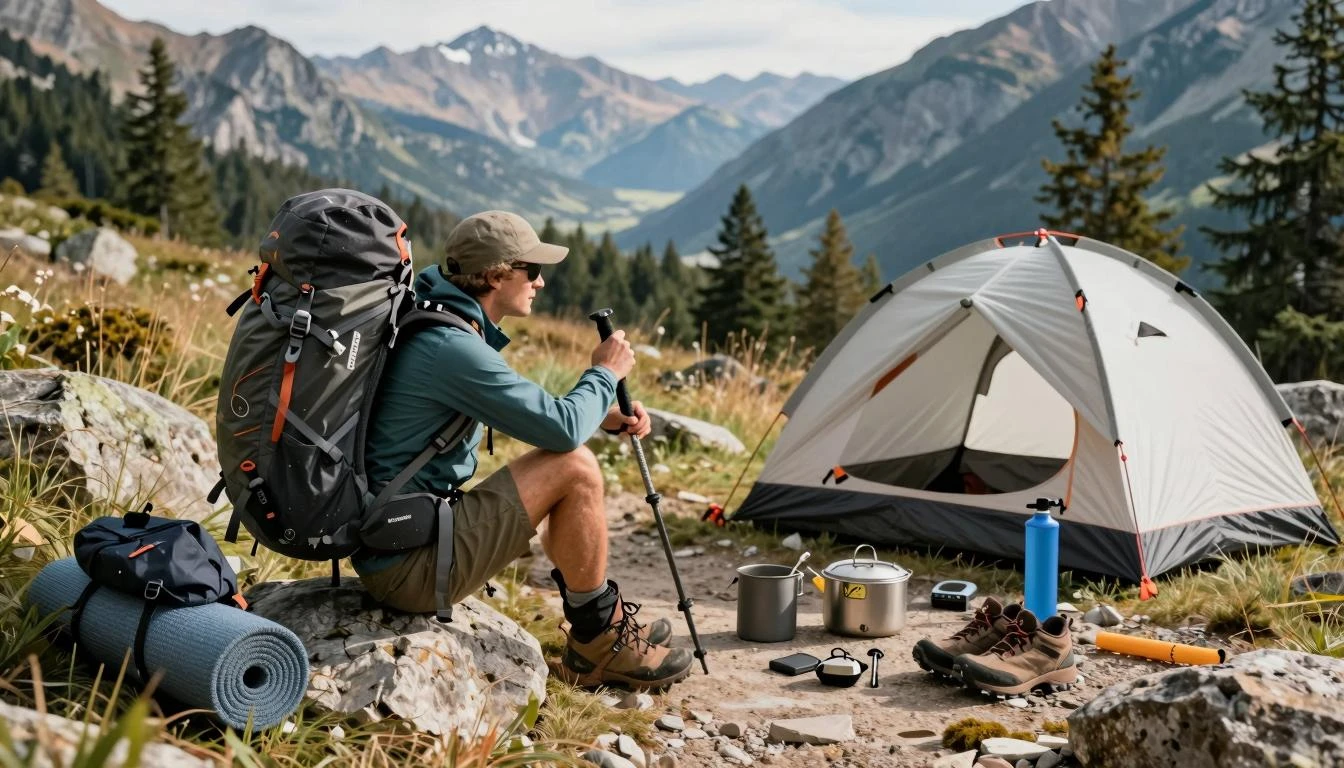
Choosing a campsite is just as important as selecting a quality tent. Look for flat ground, avoid flood-prone areas, stay away from unstable trees, and consider wind direction before pitching your shelter.
Understanding camp shelter selection, tent pitching techniques, campsite safety, and outdoor sleeping systems allows you to stay comfortable regardless of changing weather conditions.
Fire Building Basics
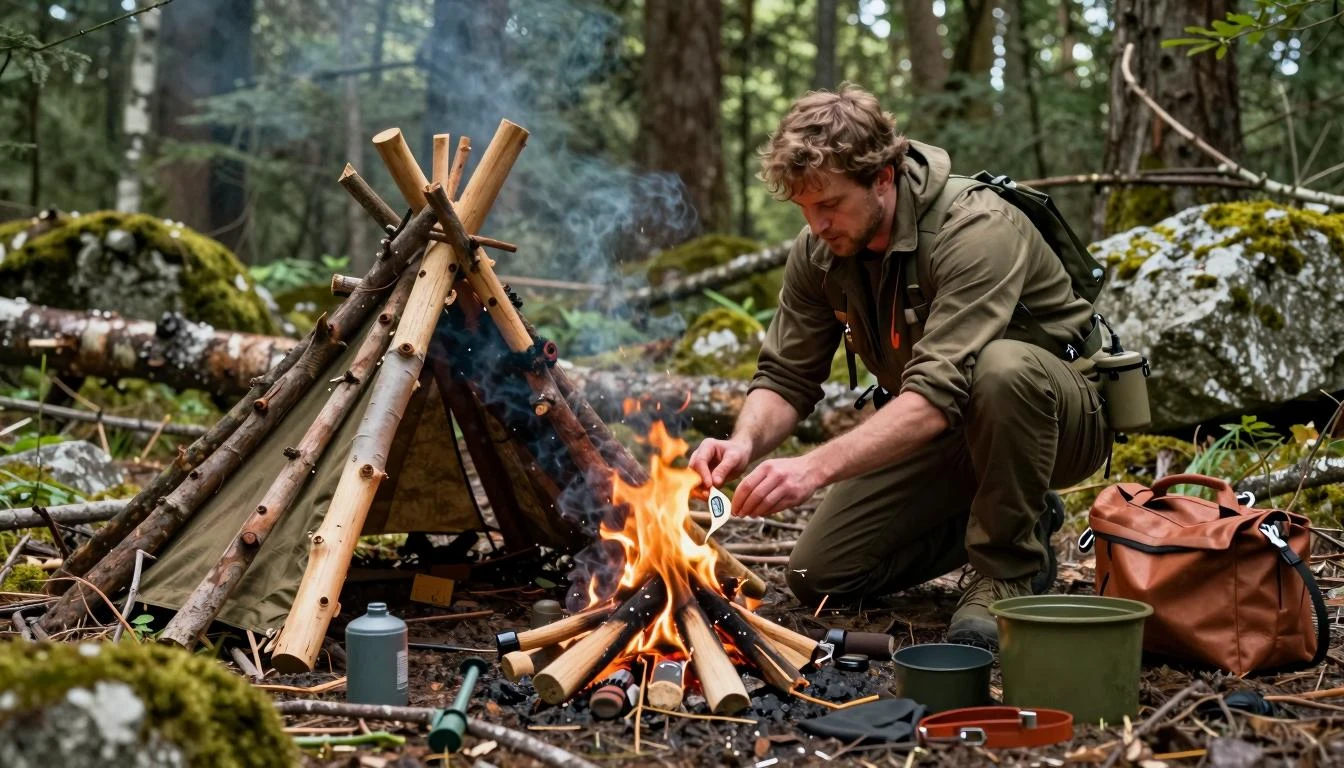
Fire provides warmth, enables cooking, and offers comfort during cool evenings, but it also requires responsibility. Begin with dry tinder, gradually add kindling, and finally place larger pieces of firewood as the flames become stable.
Always follow local fire regulations and extinguish every fire completely before leaving the campsite. Responsible fire management protects both nature and future visitors.
Outdoor Cooking Methods
Outdoor cooking doesn't need to be complicated. Lightweight stoves, one-pot meals, and simple recipes reduce preparation time while minimizing equipment weight.
Learning backpacking meal planning, camp stove cooking, lightweight camping food, and food storage techniques helps you maintain energy throughout your adventure without carrying unnecessary supplies.
Staying Safe in Nature
The outdoors rewards preparation and awareness. While nature offers incredible experiences, it also demands respect. Developing good safety habits allows you to enjoy every adventure while protecting both yourself and the environment.
Survival expert Les Stroud once observed, "Survival is not about being fearless it's about making good decisions before situations become emergencies." That perspective perfectly captures why practical outdoor knowledge matters so much.
Wildlife Awareness
Every outdoor destination has its own wildlife. Understanding animal behavior before your trip helps reduce unnecessary encounters while protecting local ecosystems.
Store food properly, maintain a safe distance from wildlife, avoid feeding animals, and make your presence known while hiking through dense vegetation.
First Aid Essentials
Even minor injuries can become serious without proper treatment in remote locations. Every outdoor enthusiast should know how to manage blisters, cuts, sprains, dehydration, and heat exhaustion.
Carrying a compact first aid kit and understanding basic emergency care significantly improves safety during hiking and camping trips.
Leave No Trace Principles
Responsible travelers help preserve natural environments for future generations. Following Leave No Trace principles means planning ahead, disposing of waste correctly, respecting wildlife, minimizing campfire impacts, and leaving natural areas exactly as you found them.
Practicing sustainable outdoor travel, responsible camping, nature conservation, and eco-friendly hiking ensures that beautiful destinations remain protected for everyone.
Master Outdoor Skills for Every Adventure
Every outdoor journey teaches something new, but the strongest foundation always comes from preparation rather than luck. By learning navigation, campsite selection, weather awareness, fire safety, first aid, and environmental responsibility, you develop skills that remain useful wherever your adventures take you.
The next time you head into nature, remember that every experienced adventurer once started exactly where you are today. Start practicing these skills now, and you'll discover that the outdoors becomes not only safer but also far more enjoyable with every adventure. If you're ready for your next journey, take these lessons with you and let every trip become an opportunity to learn something new.