Real Survival Skills That Matter
The outdoors has a way of reminding people that confidence alone is never enough. A peaceful hiking trail can suddenly become unfamiliar, weather conditions can shift without warning, and a simple navigation mistake can lead to hours of uncertainty. That is exactly why understanding real survival skills is no longer reserved for seasoned adventurers. Whether you enjoy hiking, camping, backpacking, or simply exploring nature on weekends, knowing how to respond calmly can make every outdoor experience safer and far more enjoyable.
Today's outdoor travelers are looking for practical knowledge rather than dramatic survival stories. Learning wilderness survival methods means understanding how to make better decisions before small problems become dangerous situations. As legendary survival instructor Mors Kochanski famously said, "The more you know, the less you carry." That simple principle perfectly reflects modern outdoor preparedness, where knowledge often becomes the most valuable piece of equipment you own.
Core Survival Skills Everyone Needs
Every successful outdoor adventure starts long before you step onto the trail. Building confidence in nature is not about owning expensive gear but about developing habits that help you stay calm, think clearly, and react wisely when conditions change. This practical survival skills guide focuses on the essential abilities that every traveler should master before facing unexpected situations.
Survival mindset
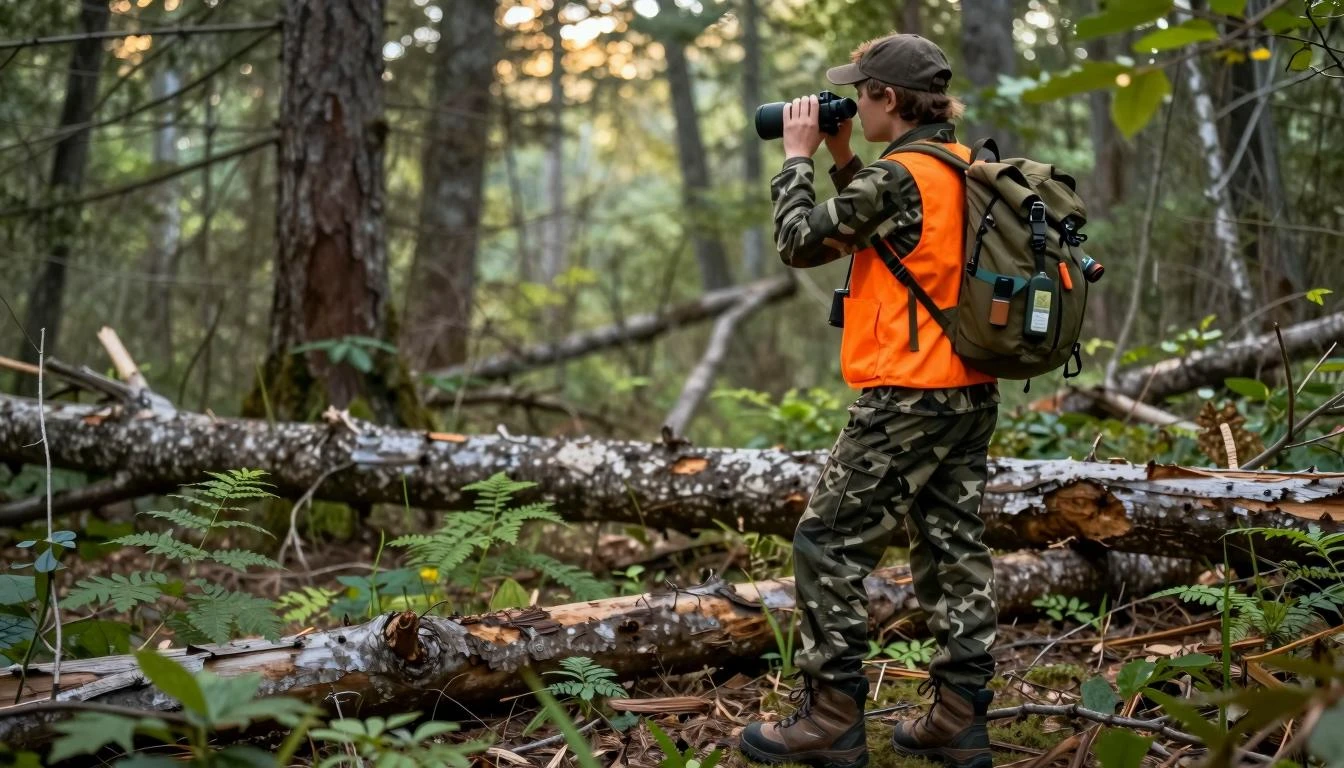
The first and most valuable survival skill is maintaining the right mindset. Fear and panic often create bigger problems than the environment itself. When something goes wrong, stopping for a moment, controlling your breathing, and carefully observing your surroundings allows you to make smarter decisions instead of emotional ones.
Experienced outdoor professionals often explain that survival begins with mental discipline rather than physical strength. Remaining calm helps conserve energy, improves judgment, and prevents unnecessary risks that could make the situation worse.
Prioritizing basic needs
One of the biggest mistakes beginners make is focusing on comfort before safety. In a survival situation, priorities should always remain clear, protect yourself from the environment, secure clean drinking water, maintain body temperature, and only then think about food or continuing the journey.
Risk assessment
Weather patterns shift, trails become slippery, daylight disappears faster than expected, and physical fatigue can affect decision-making. Learning to assess risks before they become emergencies is one of the most underrated survival skills.
Before making any decision, ask yourself what could happen next, what resources are available, and whether moving forward is actually safer than staying where you are. Small evaluations like these often prevent major emergencies.
Essential Wilderness Survival Techniques
Knowing what to do is only part of survival. Applying the right technique at the right moment makes the real difference. The following wilderness techniques represent practical knowledge that continues to be recommended by experienced outdoor instructors and rescue professionals around the world.
Finding clean water
Water is one of the first priorities in any survival situation, but finding water does not automatically mean it is safe to drink. Streams, lakes, and even clear mountain springs may contain bacteria or parasites that are invisible to the eye.
Whenever possible, boil water, use a quality water filter, or apply appropriate purification tablets before drinking. Safe hydration protects both your energy and your ability to continue making good decisions throughout the journey.
Building emergency shelter
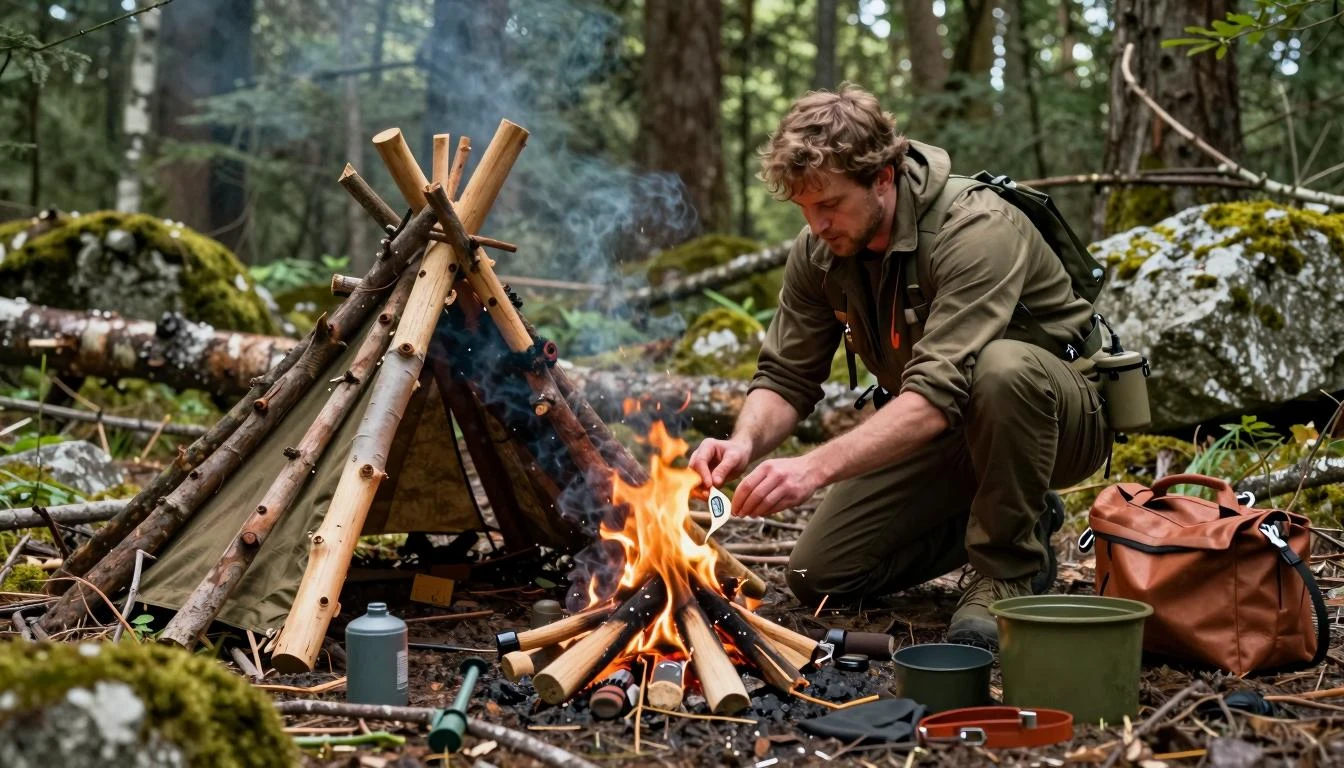
Exposure to wind, rain, or cold temperatures often becomes a greater threat than hunger. An emergency shelter does not need to be elaborate. A tarp, emergency bivy, lightweight tent, or even natural materials can significantly reduce heat loss while protecting you from changing weather.
Survival expert Ray Mears once said, "Knowledge weighs nothing." His words remind outdoor enthusiasts that understanding how to build even a simple shelter can become more valuable than carrying extra equipment you do not know how to use.
Starting a fire safely
Fire provides warmth, improves morale, dries wet clothing, and can even assist with water purification. However, building a fire requires responsibility as much as skill.
Always check local regulations, choose a safe location, clear combustible materials from the surrounding area, and fully extinguish every fire before leaving. Responsible fire management protects both people and nature.
Practical Survival Preparation
Preparation remains the strongest survival advantage because it reduces the likelihood of emergencies before they even begin. Developing good habits before every trip allows you to react with confidence instead of uncertainty when unexpected situations occur.
Packing a survival kit
A survival kit should focus on versatility rather than quantity. Essential items include navigation tools, a first aid kit, emergency shelter, water purification equipment, fire-starting tools, extra food, lighting, signaling devices, and weather-appropriate clothing.
Packing thoughtfully ensures every item serves a purpose while keeping your backpack light enough for comfortable travel.
Navigation without technology
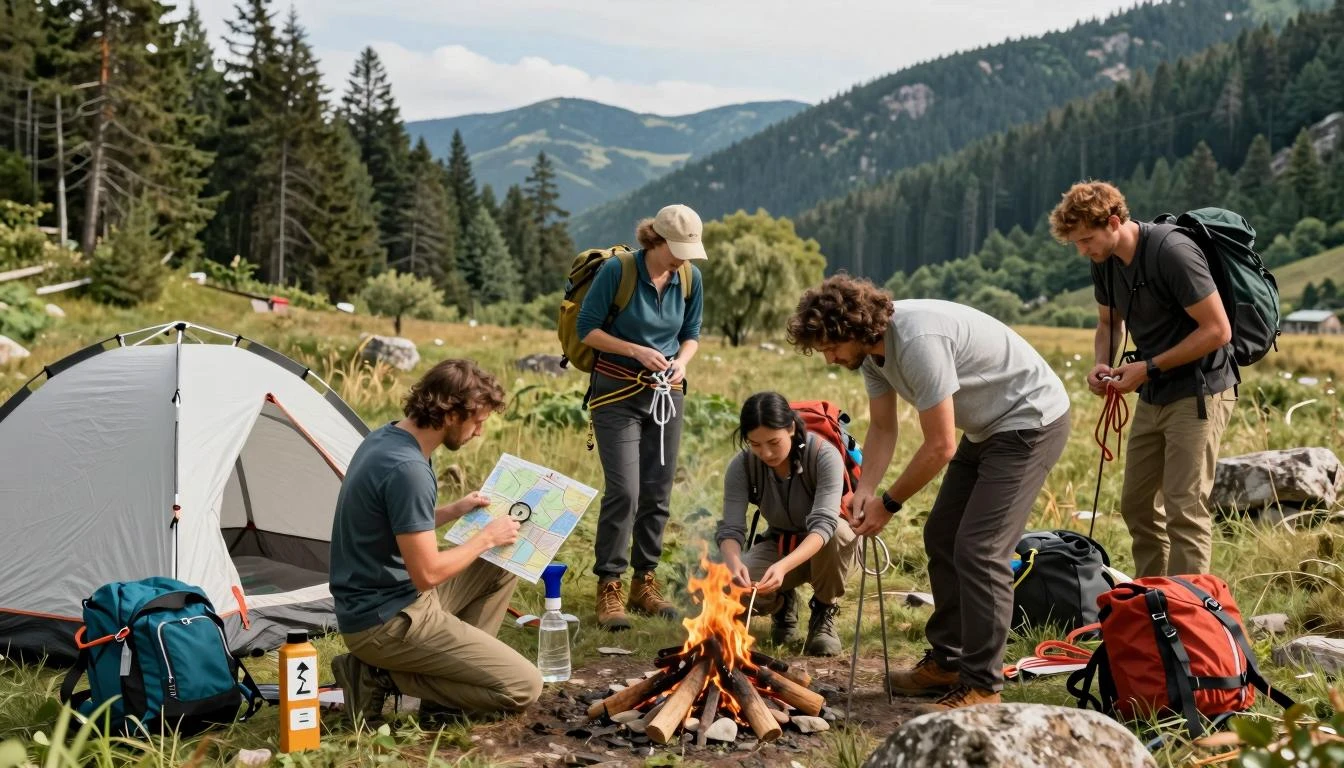
GPS devices and smartphones are useful, but batteries fail and signals disappear. Every outdoor traveler should understand how to navigate using a map, compass, terrain features, and natural landmarks.
Practicing traditional navigation techniques before heading into remote areas builds confidence and provides a dependable backup whenever technology becomes unavailable.
Emergency signaling methods
If rescue becomes necessary, making yourself visible is just as important as staying safe. A whistle, reflective mirror, flashlight, brightly colored clothing, or emergency beacon can dramatically improve your chances of being located quickly.
Simple signaling techniques often require very little effort while providing rescuers with critical information about your location.
Build Your Survival Skills Before You Need Them
The best time to learn survival skills is long before an emergency occurs. Every camping trip, hiking adventure, or weekend in nature provides an opportunity to practice navigation, shelter building, fire safety, and decision-making under realistic conditions. The more familiar these skills become, the more naturally you will respond when facing unexpected challenges.
Real survival is rarely about extraordinary strength or expensive equipment. Instead, it comes from preparation, consistent practice, and the ability to remain calm while making thoughtful decisions. If you enjoy spending time outdoors, start practicing these survival skills now and continue improving them with every journey.