Modern Hunting Guide For Beginners
Modern hunting is no longer defined by instinct alone. Today, it combines knowledge, preparation, responsibility, and respect for nature into one complete outdoor experience. If you've ever wondered why experienced hunters seem calm and confident in the field, the answer is surprisingly simple, they invest more time in learning than in chasing. This guide will help you understand the foundations that truly matter, making your first hunting journey safer, smarter, and far more rewarding.
Starting with beginner hunting techniques gives you an advantage that many first-time hunters overlook. Instead of relying on guesswork, you'll learn how to build practical outdoor skills, understand hunting modern hunting tips and safety ethics, prepare the right equipment, and develop confidence through proper training. As conservationist Aldo Leopold famously said, "Ethical behavior is doing the right thing when no one else is watching." That philosophy remains one of the strongest foundations of responsible hunting today.
Understanding Modern Hunting Basics
Before purchasing equipment or choosing a hunting destination, it's important to understand the principles that make modern hunting both legal and ethical. Building strong fundamentals will help you avoid common beginner mistakes while making every outdoor experience safer and more enjoyable. Understanding modern hunting tips and safety from the very beginning also creates habits that stay with you throughout your hunting journey.
Hunting Ethics and Responsibility
Respecting wildlife, following hunting seasons, minimizing unnecessary suffering, and protecting natural habitats are essential responsibilities. Modern hunters are increasingly recognized as active contributors to wildlife conservation through regulated hunting practices and habitat management programs.
Responsible hunting also means respecting fellow outdoor enthusiasts, private property, and public lands. Every decision made in the field reflects not only on the individual but also on the broader hunting community. When ethics become a habit, hunting becomes more meaningful than simply harvesting game.
Required Licenses and Regulations
Every hunter should understand that hunting begins with legal preparation. Most countries and states require hunting licenses, while many also require hunter education certification before participating in the field.
Regulations can vary depending on species, location, season, and hunting methods. Reviewing local wildlife agency updates before every season ensures compliance and helps protect sustainable wildlife populations for future generations.
Choosing the Right Hunting Location
Selecting the right hunting location involves much more than finding an area with abundant wildlife. Terrain, accessibility, local regulations, weather conditions, and hunting pressure all influence the overall experience.
Beginners often benefit from managed public hunting areas because they usually provide clear regulations, mapped boundaries, and educational resources. Spending time researching locations beforehand can significantly improve both safety and success.
Essential Hunting Equipment
Having the right equipment doesn't automatically make someone a better hunter, but choosing reliable gear makes learning easier and increases safety in unpredictable outdoor conditions. Rather than buying everything at once, focus on essential equipment that supports comfort, awareness, and responsible decision-making.
Clothing and Safety Gear
Proper clothing should match both the terrain and weather conditions. Layered clothing helps regulate body temperature, while waterproof outerwear protects against unexpected weather changes.
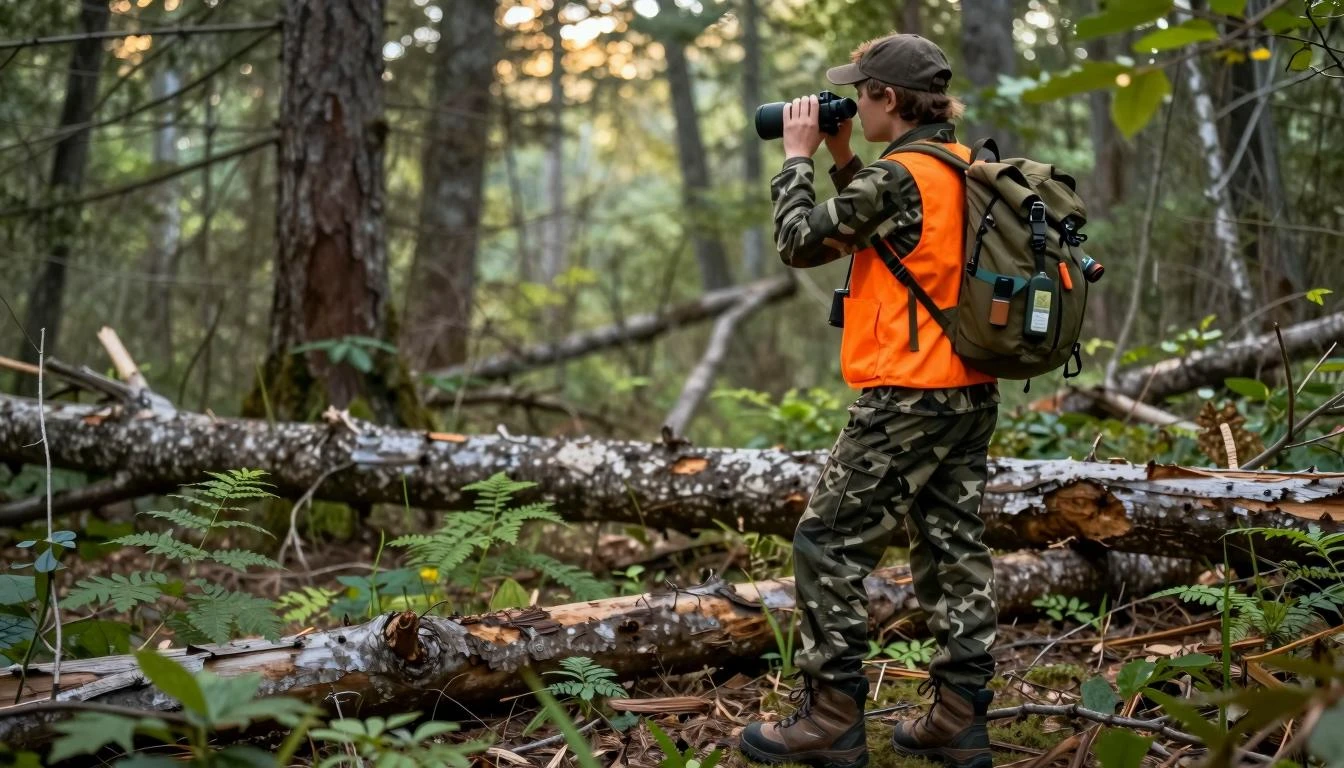
Safety gear such as blaze orange clothing, quality boots, eye protection, hearing protection, and first-aid supplies should never be considered optional. Comfort often leads to better concentration, allowing beginners to stay alert throughout the hunt.
Navigation and Tracking Tools
Even familiar environments can become confusing once you're deep in the wilderness. Carrying navigation tools such as GPS devices, offline maps, compasses, and emergency communication equipment helps prevent unnecessary risks.
Modern technology has made navigation easier than ever, but experienced hunters still recommend learning traditional compass and map reading skills as dependable backups whenever electronic devices fail.
Beginner Friendly Hunting Accessories
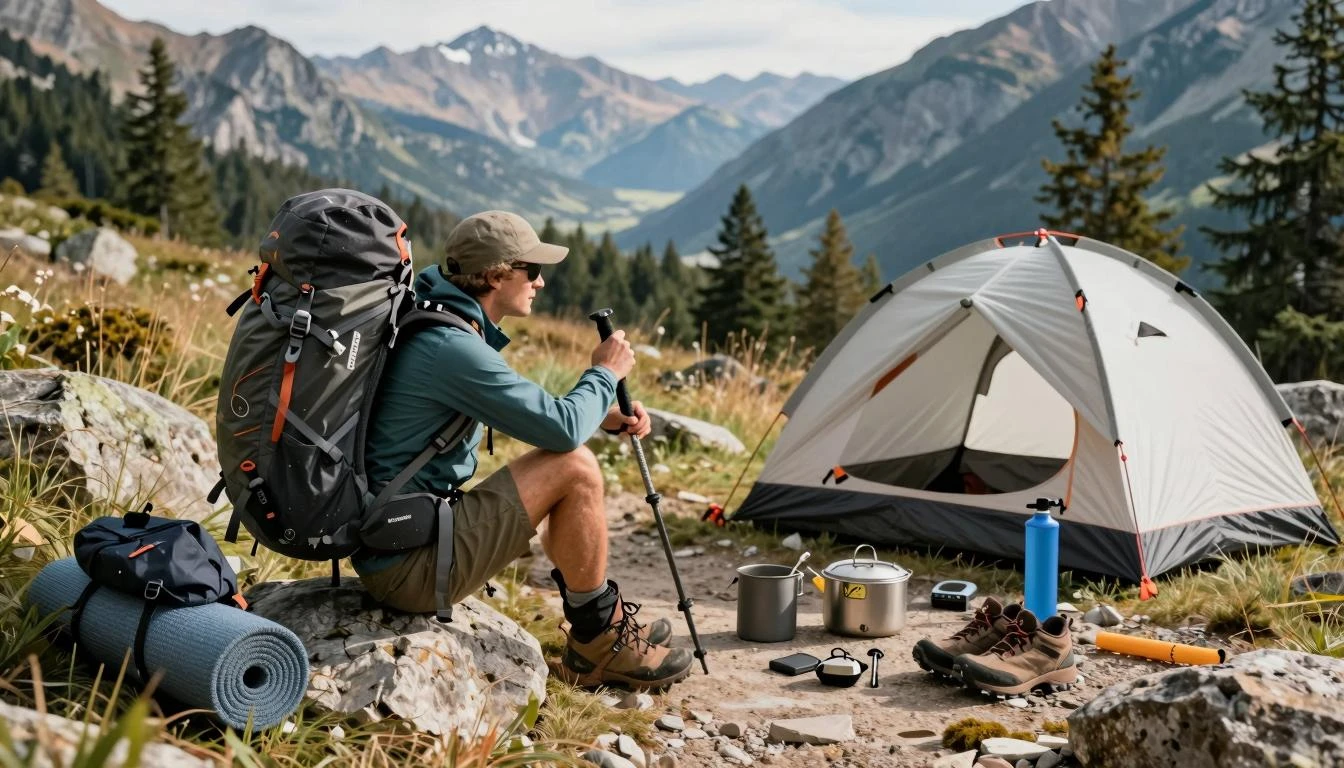
Simple accessories often provide the greatest value for new hunters. A comfortable backpack, binoculars, hydration system, flashlight, multi-tool, notebook, and weather-resistant storage for permits can make every trip far more organized.
Instead of purchasing expensive accessories immediately, prioritize practical tools that improve safety, efficiency, and comfort during your first hunting seasons.
Skills Every New Hunter Should Learn
Equipment alone cannot replace field knowledge. The most successful hunters continuously develop observation skills, patience, and decision-making abilities. Every outing becomes a learning opportunity that strengthens confidence little by little while creating a deeper appreciation for nature.
Reading Animal Signs
Wildlife leaves behind valuable clues for those willing to observe carefully. Footprints, feeding areas, bedding sites, scratches, droppings, and travel corridors all tell stories about animal movement.
Learning to interpret these signs takes practice, but developing this skill allows beginners to better understand wildlife behavior instead of relying purely on luck.
Tracking Techniques
Tracking involves following patterns rather than rushing forward. Wind direction, terrain features, vegetation, and animal behavior all influence movement through the landscape.
Experienced hunters often remind beginners that patience consistently outperforms speed. Moving quietly while paying attention to small environmental details usually produces better results than covering large distances quickly.
Safety in the Field
Safety should remain the highest priority throughout every hunting trip. Always identify your surroundings, understand your target completely, communicate with hunting partners, and prepare emergency plans before entering the field.
Wildlife biologist Steven Rinella often emphasizes that successful hunting begins with respect, for wildlife, the environment, and the people sharing the outdoors. That perspective reminds every beginner that responsibility is ultimately the most valuable hunting skill anyone can develop.
Begin Your Hunting Journey with Confidence
The difference between frustration and steady progress often comes down to learning the right habits from the very beginning. By combining ethical decision-making, proper preparation, continuous learning, and consistent practice, you'll build confidence naturally over time while enjoying the outdoor experience in a responsible way.
The journey doesn't end after your first successful outing. Each season teaches something new about wildlife, conservation, weather, and personal growth. The more you learn, the more rewarding hunting becomes, not simply because of the destination, but because of everything you discover along the way. If you're ready to experience hunting responsibly, now is the perfect time to continue learning and take your first confident step into the outdoors.